


Now Reading: MT4 & MT5 Performance Optimization Guide: Speed, Stability & Strategy Efficiency
-
01
MT4 & MT5 Performance Optimization Guide: Speed, Stability & Strategy Efficiency
MT4 & MT5 Performance Optimization Guide: Speed, Stability & Strategy Efficiency

In the early days of MetaTrader dominance, most traders focused purely on signals and strategy logic. Few paid attention to platform efficiency, memory usage, or execution speed. Charts were loaded with heavy indicators, scripts ran without optimization, and terminals slowed down during volatile sessions. Yet despite these inefficiencies, MT4 remained widely used because of its flexibility and massive community support.
Fast forward to 2024, and platform performance has become critical. With multi-asset trading, algorithmic systems, and high-frequency strategies, even small inefficiencies can impact execution quality. MT5 offers improved architecture and multi-threaded processing, yet many traders still struggle with lag, delayed signals, and high CPU usage. Why do powerful platforms still underperform in real trading environments?
Understanding Platform Architecture
One of the biggest differences between MT4 and MT5 lies in their internal structure. MT4 uses a single-threaded strategy tester, while MT5 supports multi-threaded optimization and distributed computing. Proper configuration of data folders, history files, and terminal cache significantly impacts performance. Optimizing platform settings, reducing unnecessary chart objects, and controlling indicator recalculation frequency can dramatically improve responsiveness.
Indicator Load & Execution Efficiency
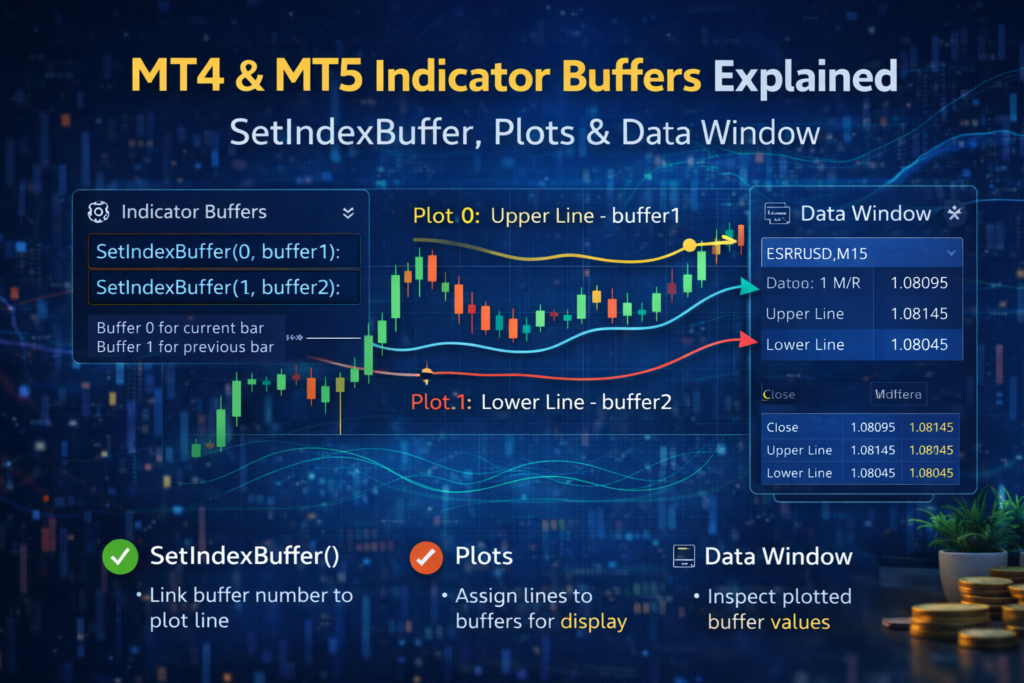
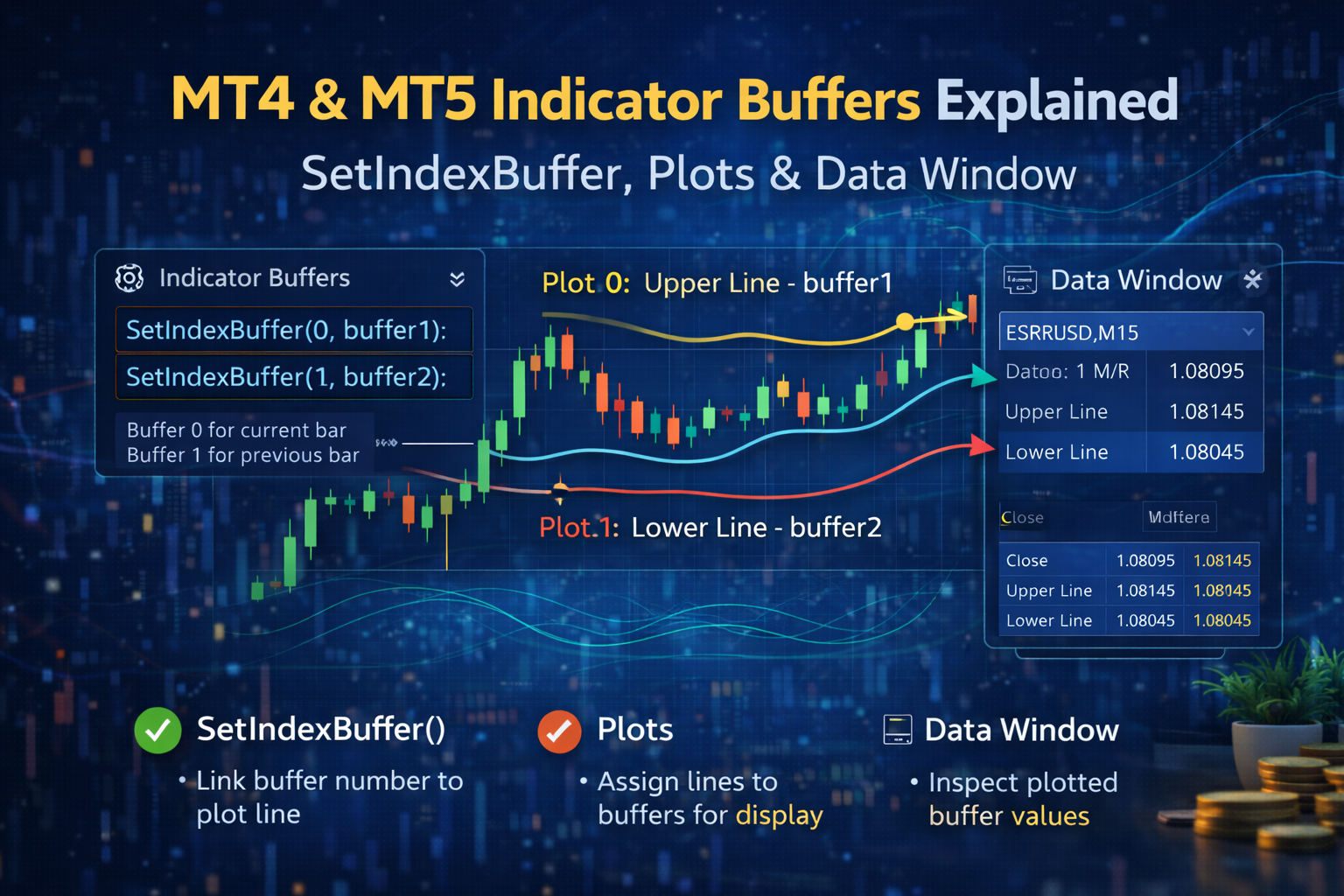
Performance issues often originate from poorly optimized indicators. Excessive buffer calculations, redundant loops, and recalculations on every tick consume system resources. What once seemed like minor inefficiencies can compound under live market volatility. Optimizing indicator logic, limiting historical bars processed, and managing object creation carefully reduces system strain.
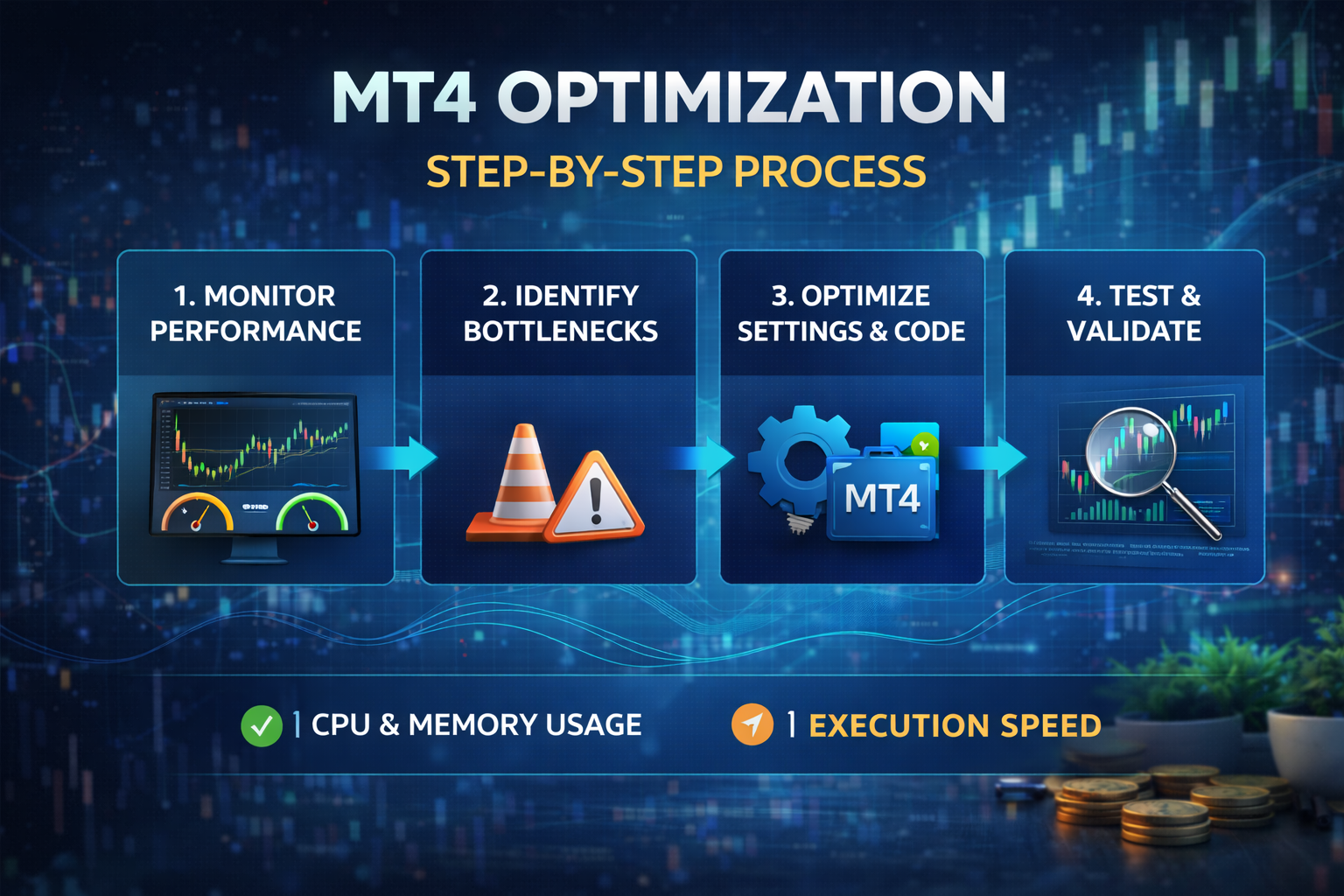
Expert Advisors must also be coded efficiently. Proper use of OnCalculate, OnTick, and event-driven logic prevents unnecessary processing. Traders should monitor memory usage and CPU load during backtesting to detect bottlenecks before deploying strategies live.
Strategy Testing & Optimization
The Strategy Tester is a powerful optimization tool when used correctly. In MT5, traders can run multi-currency and multi-threaded tests for faster parameter tuning. However, over-optimization can produce misleading results. Proper modeling quality, realistic spread simulation, and accurate tick data are essential for reliable performance evaluation.
Optimizing lot sizing algorithms, reducing unnecessary logging, and disabling unused indicators during testing significantly improves simulation speed. Traders should regularly clear cache files and historical data to maintain platform stability.
Modern trading requires not just profitable logic but stable execution. Performance optimization ensures signals are delivered on time without lag or freezing during high-impact news events.
MT4 and MT5 are robust platforms, but their efficiency depends on user configuration. Removing unused templates, limiting chart windows, and optimizing VPS environments are essential for smooth operation.
Professional traders treat platform performance as seriously as risk management. A fast, stable terminal enhances trade precision and prevents missed opportunities caused by delayed execution.
Optimization is not optional in modern trading,
it is the foundation of reliable execution and consistent results.
System monitoring tools, VPS optimization, and periodic maintenance routines keep MetaTrader terminals running efficiently. Traders who neglect platform health often experience execution issues during volatile sessions.
Ultimately, mastering MT4 and MT5 performance is about discipline. Clean coding, structured testing, and regular system maintenance transform an average trading setup into a professional-grade environment.
Speed without structure creates chaos. Structure with speed creates precision.
Algovedas
Advanced Platform Stability in 2024
Modern trading environments demand stability during peak volatility. MT5’s improved processing engine and resource allocation provide advantages over MT4, yet both platforms require disciplined configuration. Reducing background processes, optimizing VPS latency, and keeping software updated are essential maintenance practices.
Unlike earlier years where basic functionality was sufficient, today’s trading ecosystem requires performance tuning as a standard practice. Traders who prioritize platform optimization gain a measurable edge in execution accuracy, system stability, and long-term consistency.
Stay Informed With the Latest & Most Important News
Previous Post
Next Post






Advertisement
